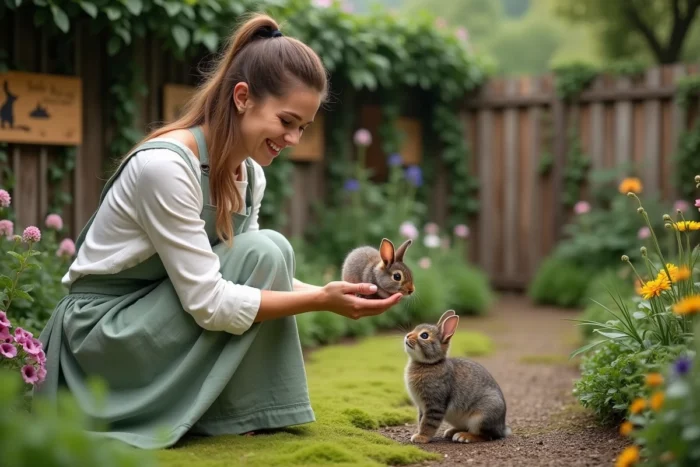
When looking for a place to spend time with your pet without facing restrictions or unsuitable spaces, it quickly becomes clear that the options are limited. Classic parks sometimes allow dogs on leashes, and places that incorporate sensory trails, socialization areas, and activities tailored to animal well-being are few and far between in France.
Sensory spaces and adapted trails: what changes the visit with a pet
A magical animal park is not just about enclosures and informative signs. What makes a difference on the ground is the design of the circulation spaces. A well-thought-out sensory trail offers varied surfaces (grass, wood chips, sand) that stimulate the dog’s pads and sense of smell while channeling its energy.
This approach can be found at Les Animaux de la Fée, where the universe dedicated to animals includes areas for free exploration and stimulation workshops. The idea is not to entertain the human while the animal waits, but to offer a shared experience.
Feedback on this point varies depending on the size and temperament of the animal, but structures that segment their spaces by size or energy level achieve better results in terms of safety and comfort. A well-segmented space reduces stress and conflicts between animals.
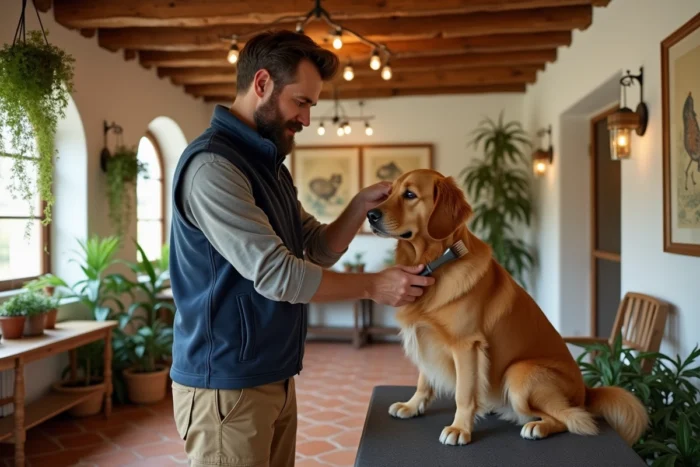
Animal well-being in France: expectations that go beyond a simple walk
The landscape has changed. Between the surveys of 2016 and 2026, the profiles of dog and cat owners have significantly evolved in France. Animals are increasingly seen as family members, not just leisure accessories. With several million identified dogs and cats in France, we are talking about real structured populations.
This evolution drives families to seek places where they can enjoy a complete outing with their companion. We no longer want to leave the dog in the car while we visit a park. We want a magical universe where everyone can enter, explore, and enjoy.
What families are concretely looking for
- Accessible educational activities for children that are adapted to discovering animal species, not just signs to read
- Picnic or rest areas where pets are welcome, with water points and shade
- Workshops on animal well-being (understanding a dog’s body language, a rabbit’s needs, a cat’s socialization)
- A preserved natural environment, away from concrete, that promotes relaxation for both humans and animals
74% of childless French people consider forming a family with their pet. This figure illustrates how much leisure places need to integrate this reality into their offerings.
Animal activities and discovery: going beyond the traditional zoo model
The classic zoo relies on passive observation. You look at species behind glass or fencing, read a sheet, and move on to the next. Magical universes dedicated to animals offer something different: active immersion.
In practice, this takes the form of participatory feeding sessions, sensory awakening trails for children (touching a feather, smelling hay, listening to bird songs), or supervised encounters with farm animals or uncommon species. Direct contact, under supervision, creates an emotional bond that simple observation does not allow.
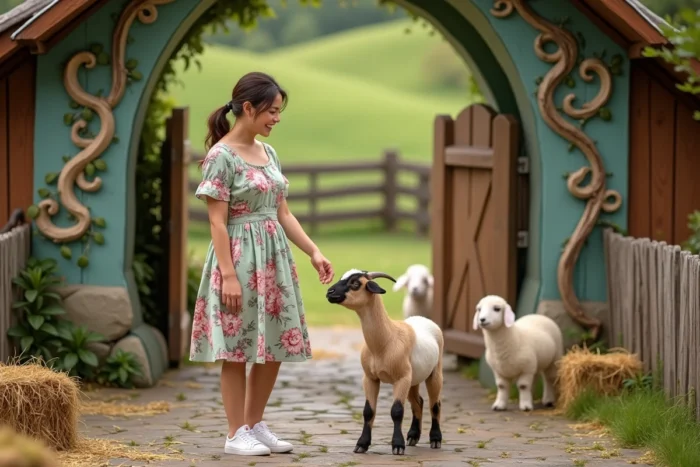
The eco-responsible approach as a common thread
Parks that operate on this immersive model often integrate a coherent environmental approach. We talk about organic food for the housed animals, reasoned management of green spaces, and short supply chains. It’s not greenwashing if the entire operation of the place follows this logic.
A credible animal park aligns its daily practices with its educational promises. When explaining to children the importance of protecting the environment, the place itself must set an example in its waste management, choice of materials, and relationship with local ecosystems.
Nature stay with family: combining vacation and animal awareness
For families planning vacations around nature and animals, the choice of location conditions the entire experience. A weekend in an immersive animal park is not prepared like a day at the municipal zoo.
Here are some practical tips before booking:
- Check if the place accepts pets and under what conditions (leash, muzzle, dedicated areas)
- Look at the schedule of workshops and seasonal activities, which often varies between spring-summer and autumn-winter
- Ensure that resting areas exist for young children and animals tired from stimulation
Animal-themed holiday camps are also gaining ground. Stays where children learn to care for animals while enjoying outdoor activities meet a growing demand from parents who want to combine leisure and learning.
The model of a unique place that combines an animal park, specialized shop, grooming space, and pet daycare is gradually establishing itself. Instead of multiplying trips, everything is found in one place, in an environment designed for the comfort of each species present. This “all-in-one” logic meets both a practical need and a holistic vision of the bond between humans and animals.